Student Scholarship Week – D-Eco-Self 2019

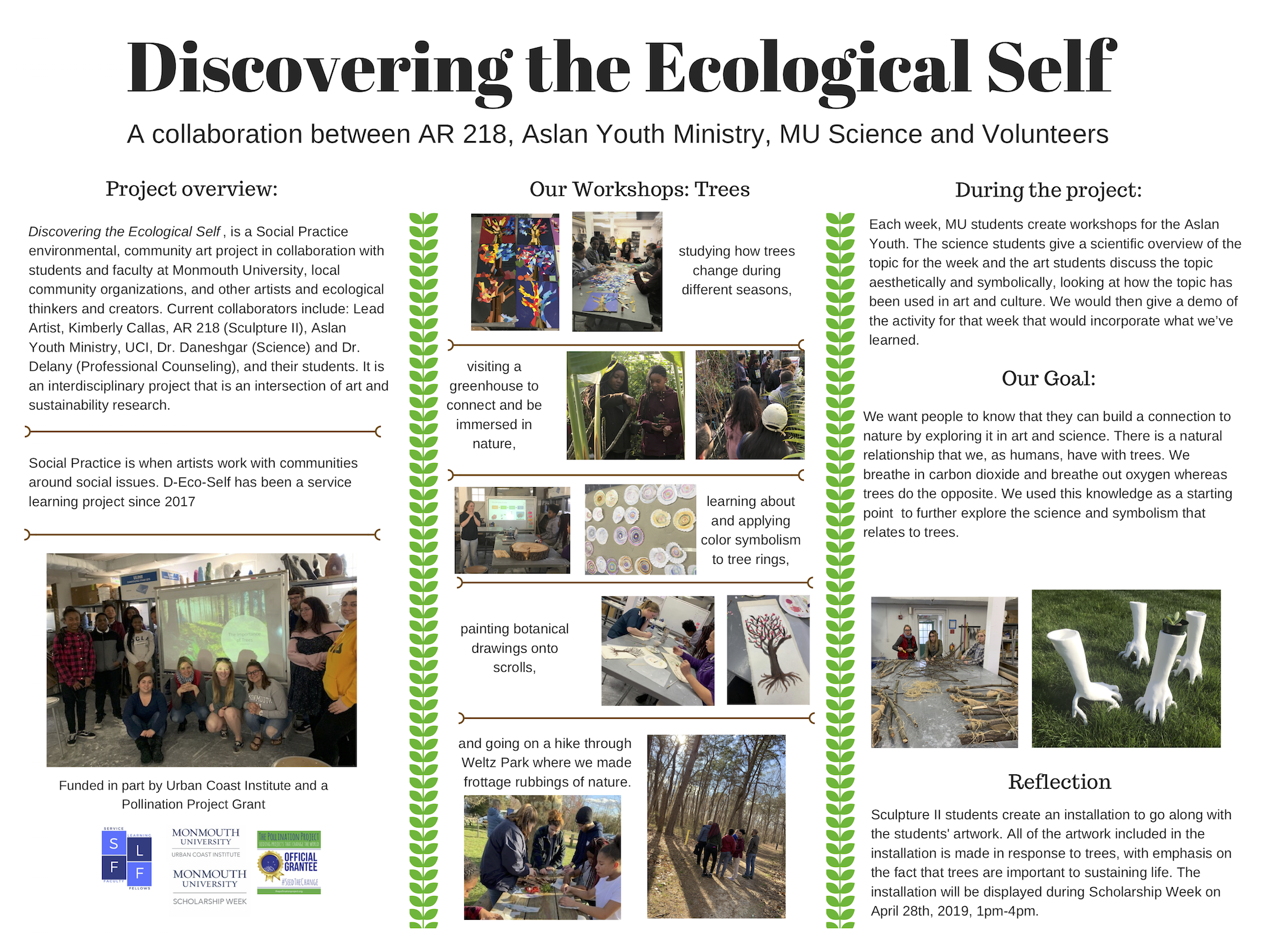
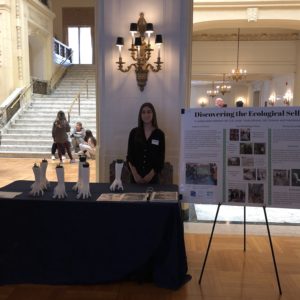
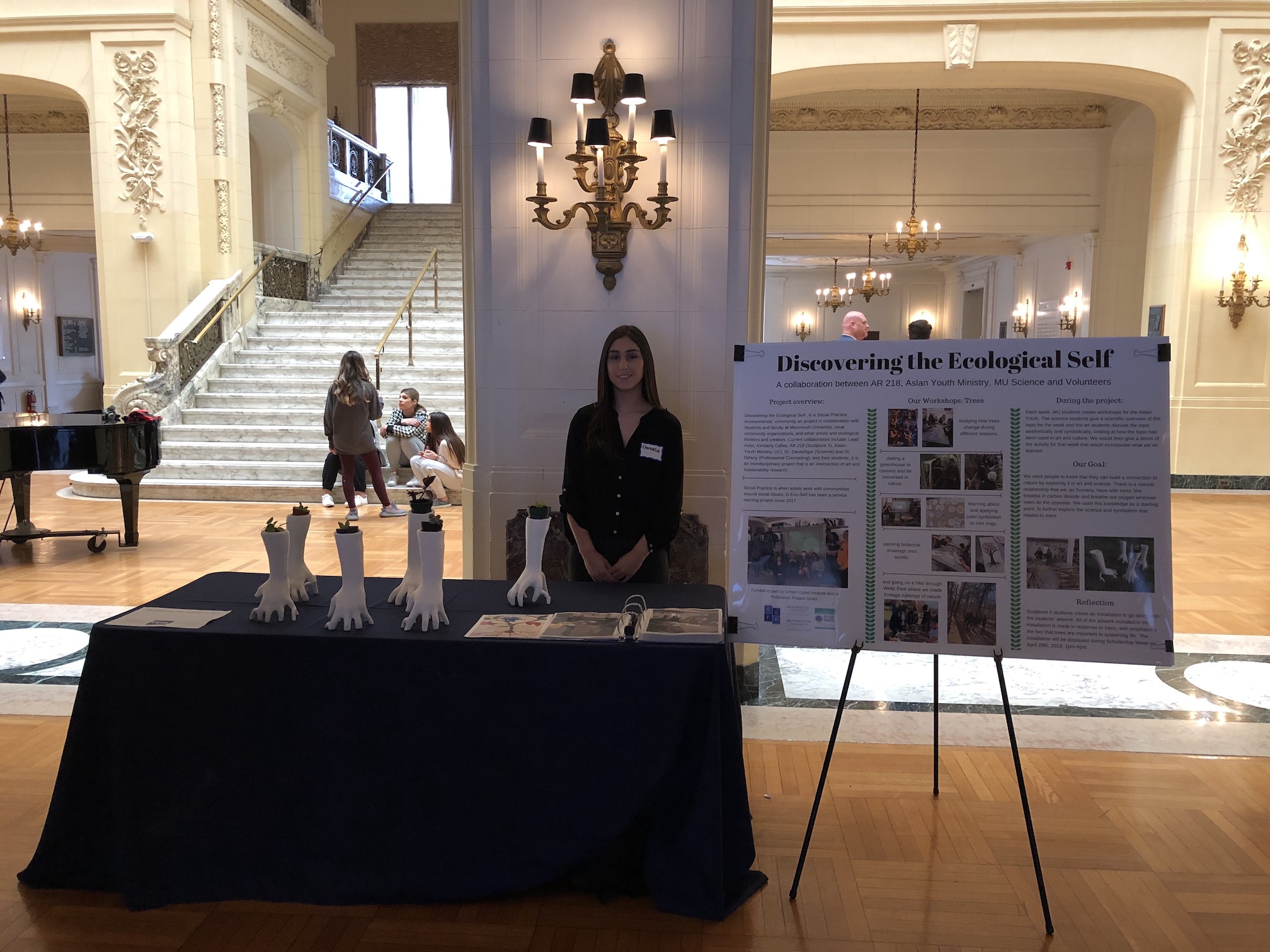
AR 218 Sculpture 2 Students participated in the 2019 Service Learning Scholarship Week Poster Session sharing their work about their D-Eco-Self collaboration project and artworks that they made with Aslan Youth Ministry and MU Science. Denice Michalchuk, our D-Eco-Self 2019 Research Assistant, created the poster, and Daniella Russo, our D-Eco-Self 2019 Project Assistant, presented to a packed crowd during the event.

To view pictures of images and artwork check out the gallery or read the blog posts!

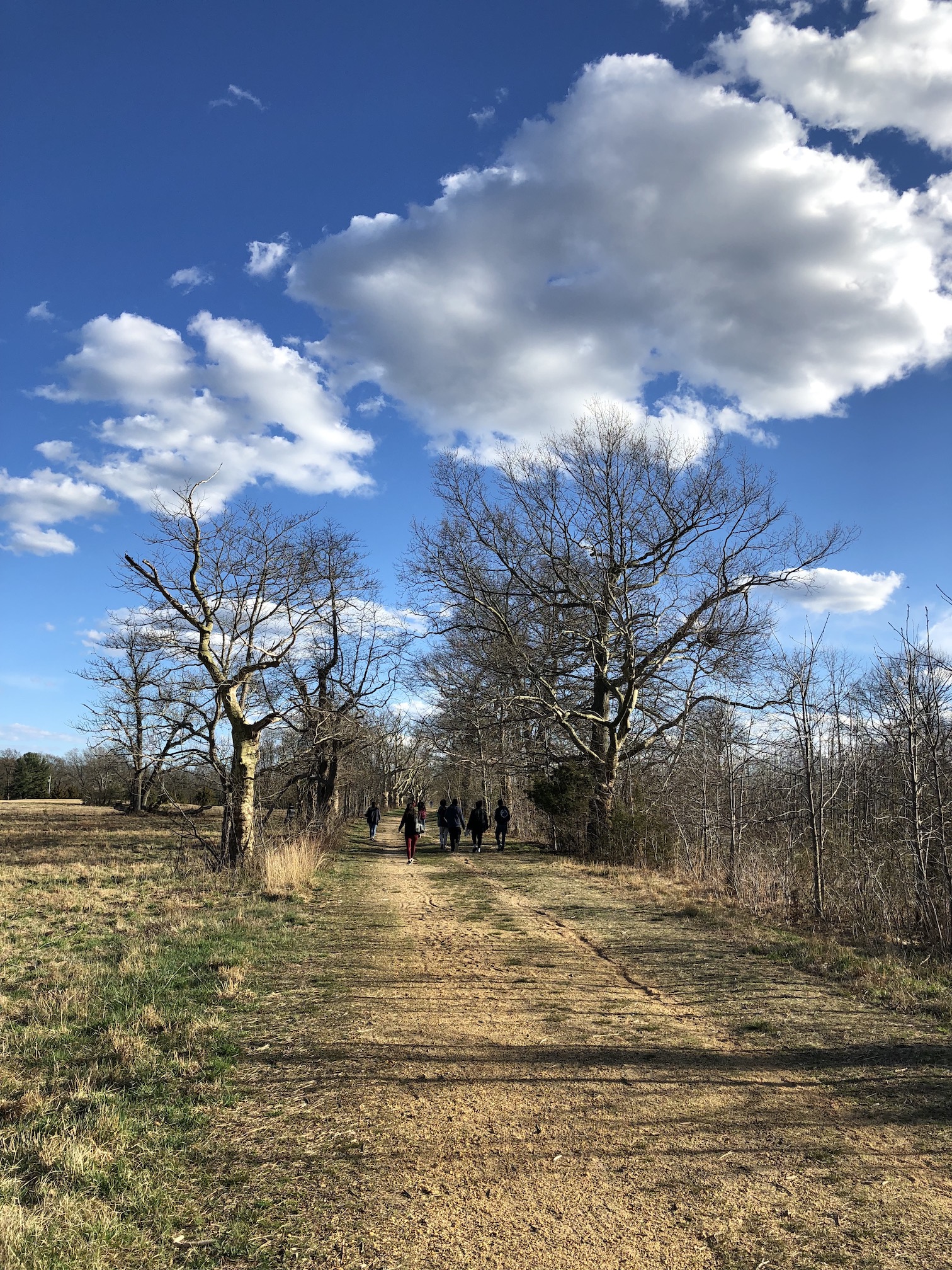
A Walk Through Weltz Park 2019

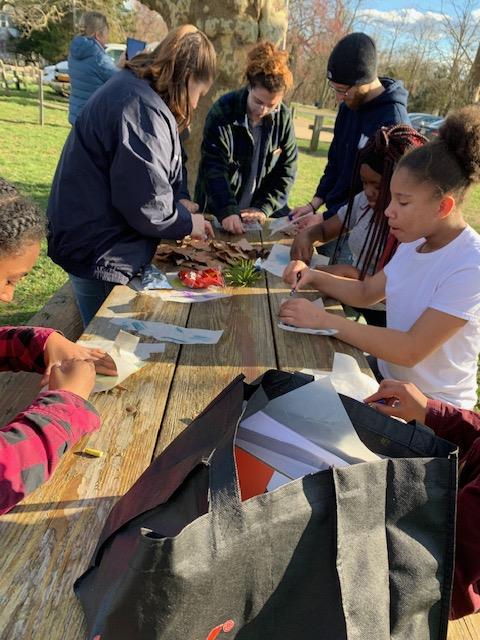
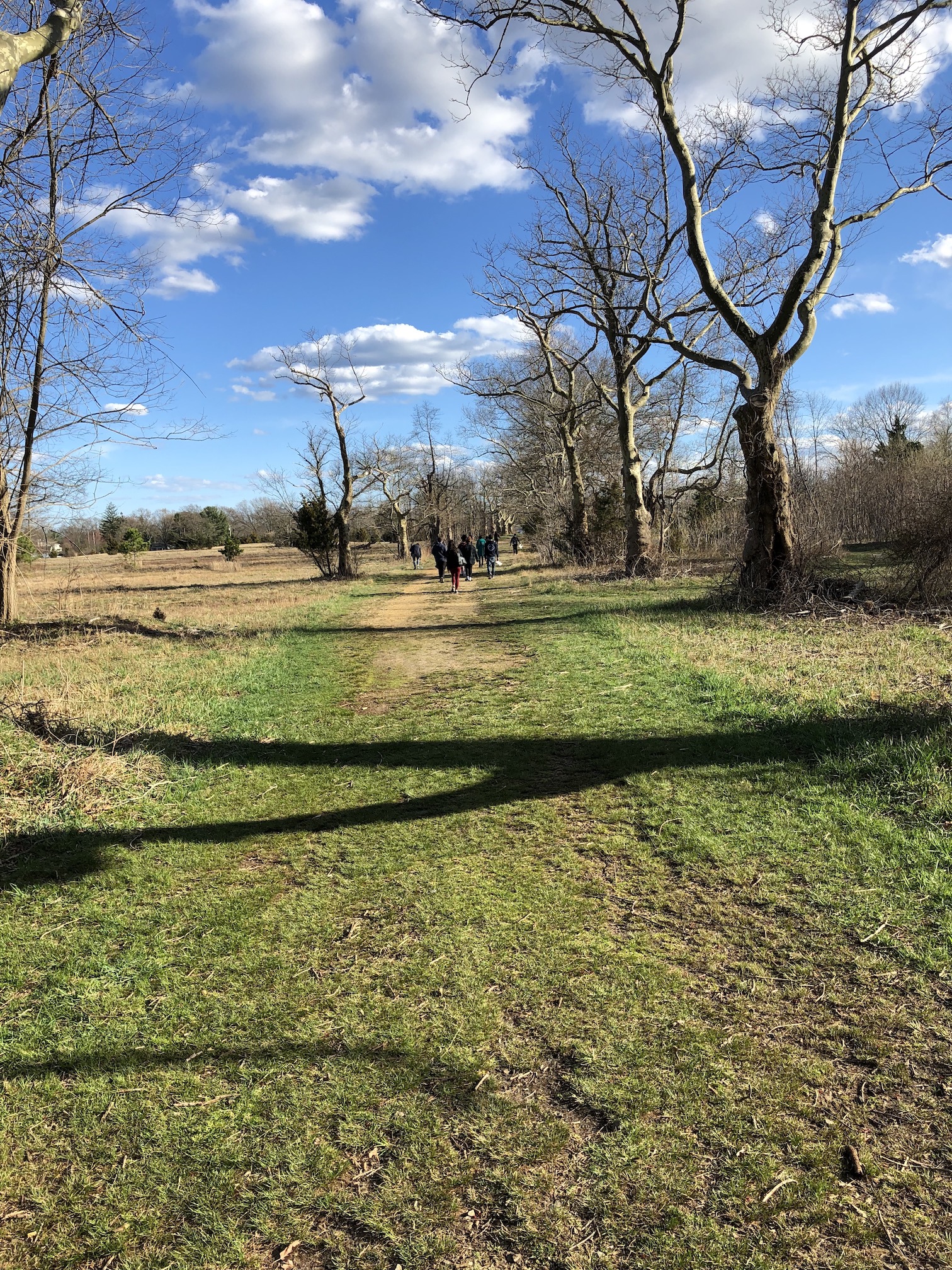
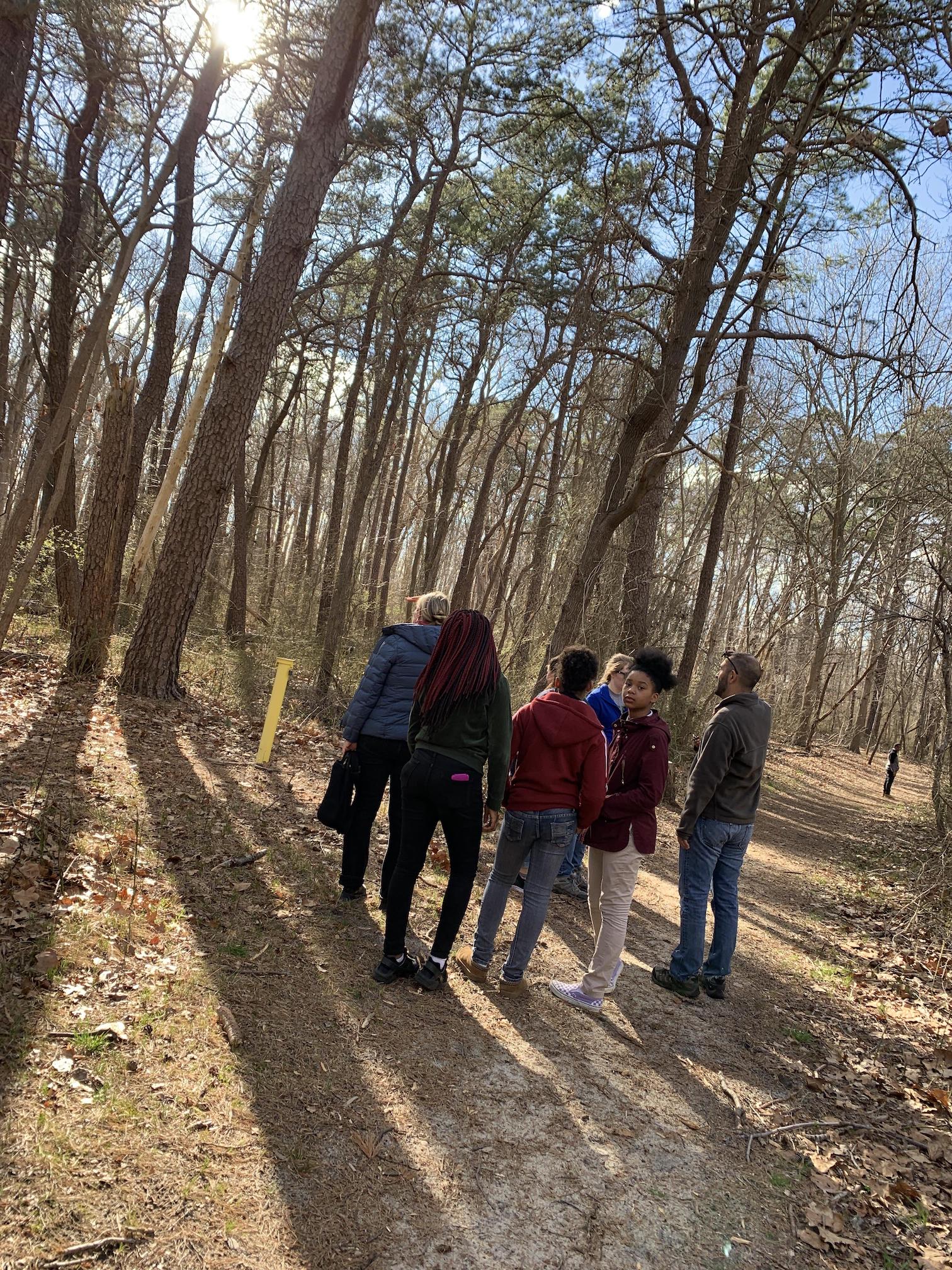
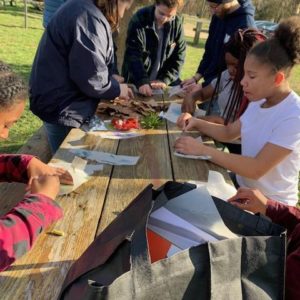
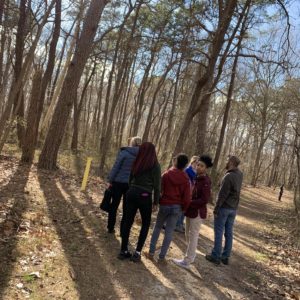
We went for a nature walk through Weltz Park, where the science students identified different things that we had previously learned about trees. They showed us the different stages of growth in plants and trees throughout the park. Some of the new things we learned about trees were specific to this landscape. We learned about an invasive species in the park that kills trees. After learning about the nature in Weltz Park and coming closer to the end of the walk, we used tracing paper to make frottage, or rubbings, of fallen leaves and the bark on different trees. This is a technique of art that allows an artist to copy the texture of its subject. As a result, we felt closer to nature because we got to learn about the nature that exists locally in our community.


For a full gallery of images and artwork from the entire 2019 D-Eco-Self Trees, click here. 

Tree Rings=Lifespan 2019

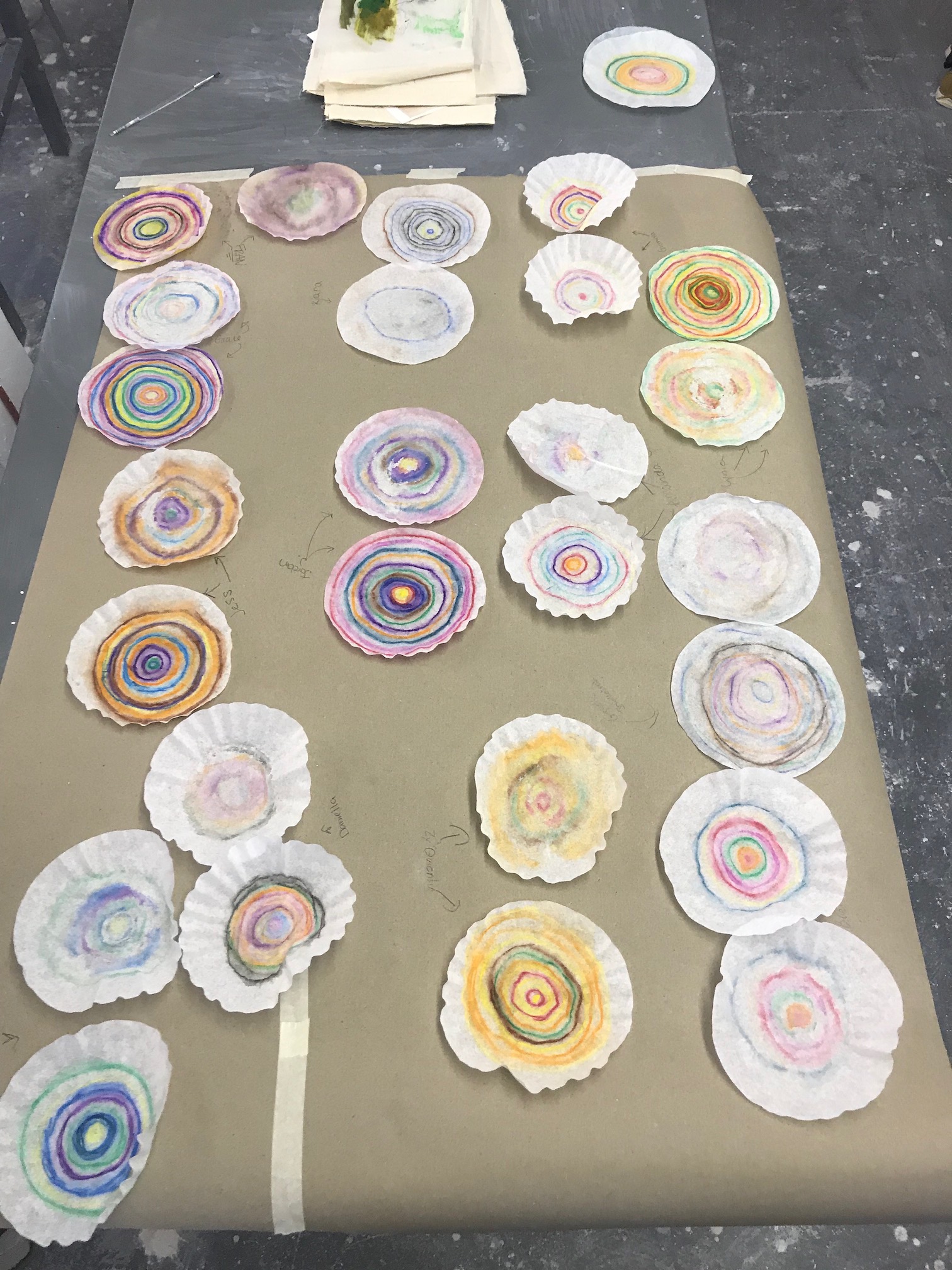
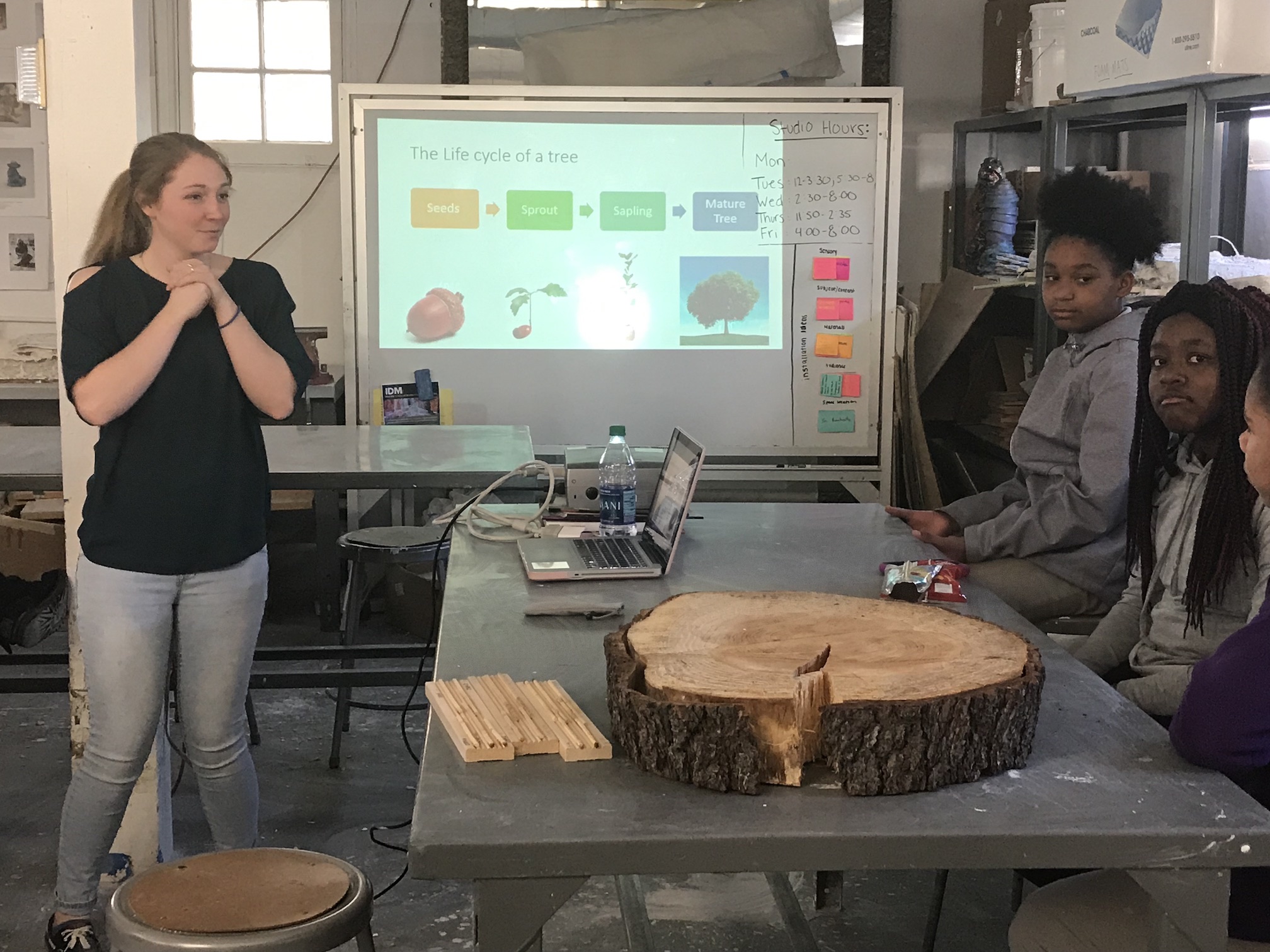
The science students taught us about the life cycle of a tree, as well as dendrochronology, the study of tree rings. Each year a mature tree develops another tree ring, so when a tree is chopped down, we can count approximately how many years it has been alive.


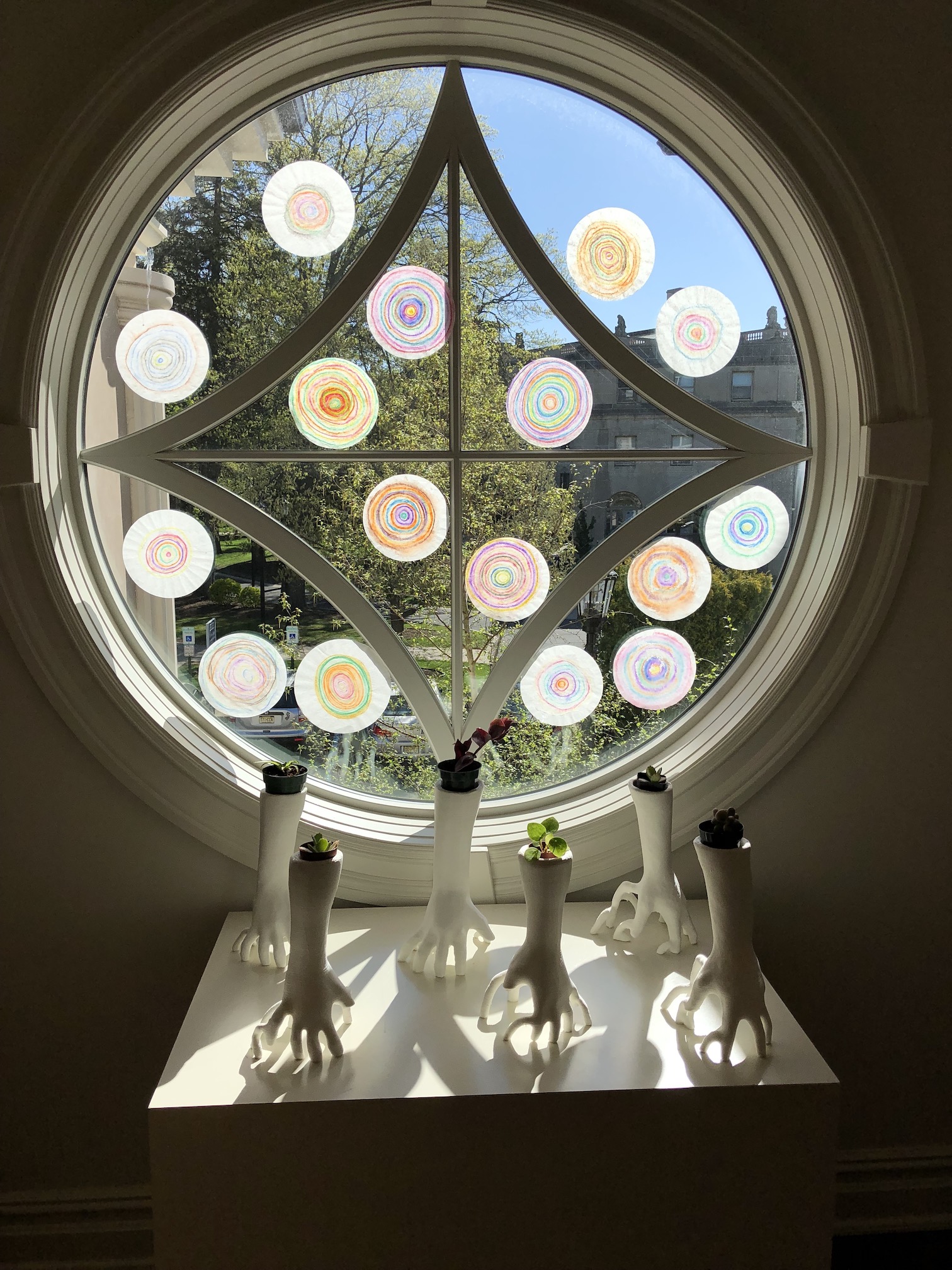
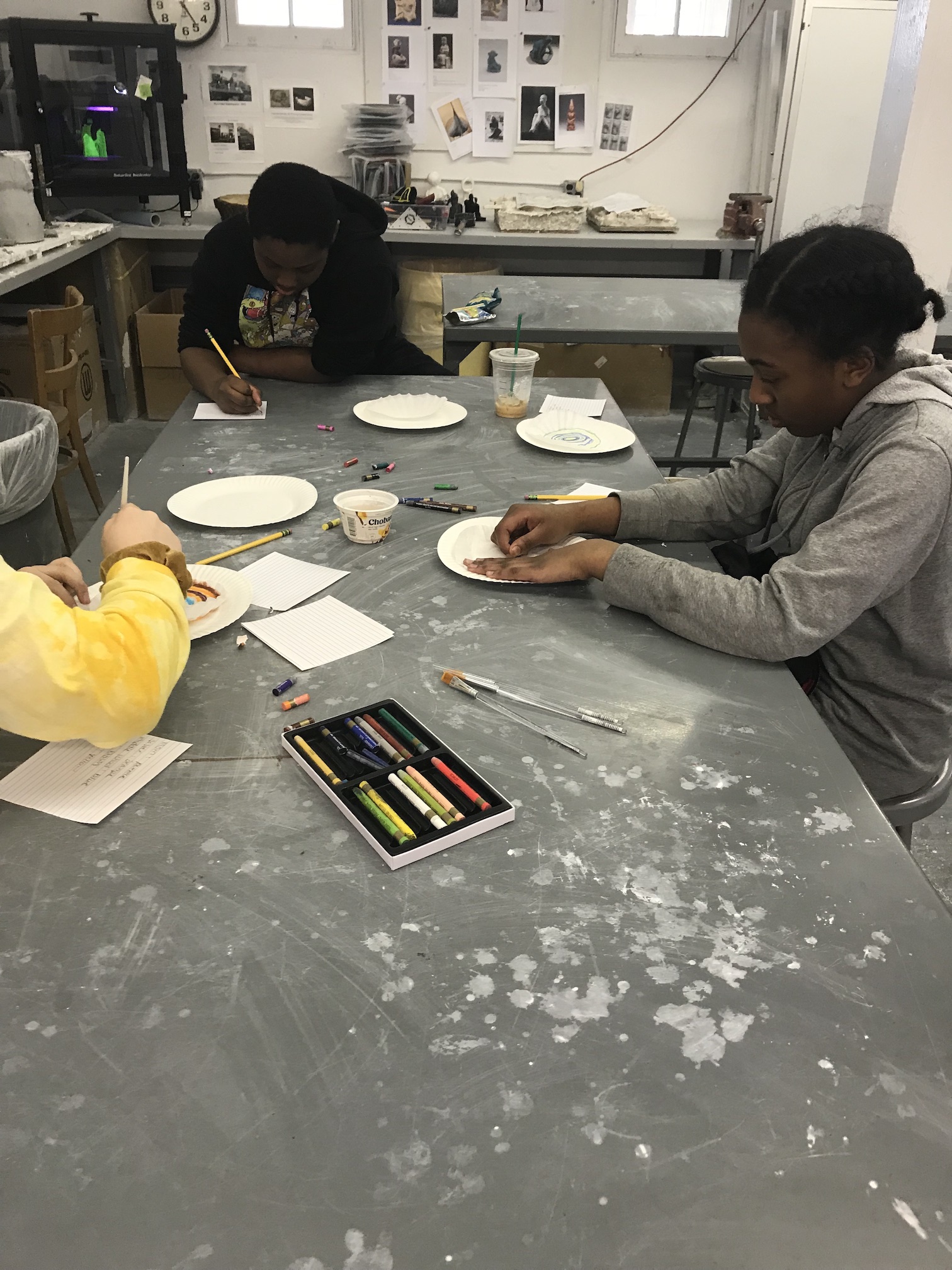
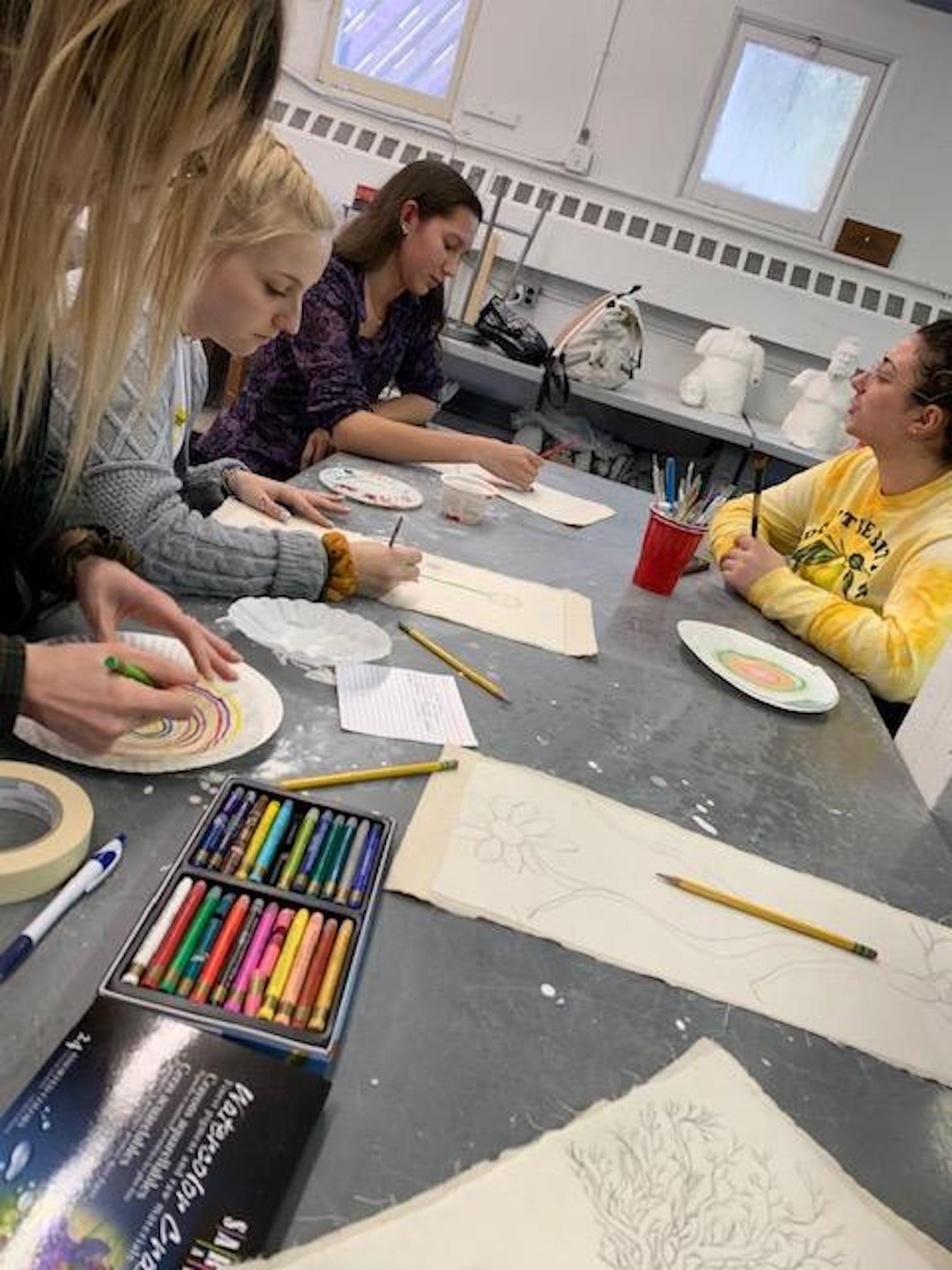
We then learned about the symbolism of different colors in art, and how those colors are used in art throughout the ages. For example, in some paintings and artwork yellow symbolizes happiness, so we looked at Sunflowers by Vincent Van Gogh, or pink represents femininity, as in Dancers in Pink by Degas, as well as other pieces. We then brought these two concepts together in order to create our own colorful tree rings. Each tree ring is assigned to an important person in the student’s life, from childhood to the present. Assigning a color based on its symbolic meaning to each person, each tree ring is unique to each individual.


For a full gallery of images and artwork from the entire 2019 D-Eco-Self Trees, click here. 

Seeds=Potential 2019

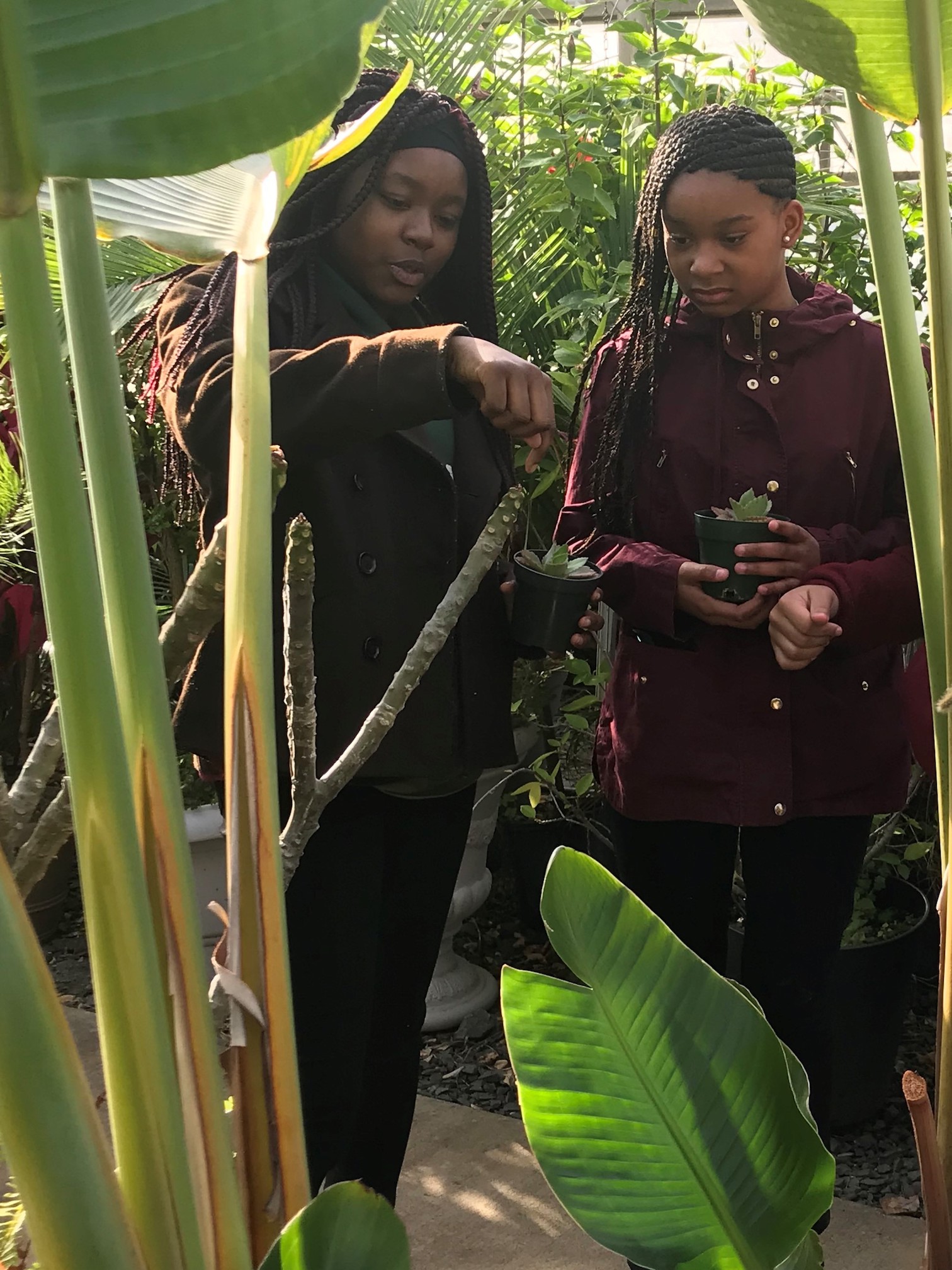
We took a trip to the greenhouse on Monmouth University campus, once there, the science students exchanged thoughts regarding the importance of roots, and how they provide a tree with the water it needs to grow. They also discussed how water travels like pathways through the tree to evenly distribute water. Trees also bare leaves and fruit from their branches.


When we returned to the classroom, we looked at botanical drawings which were once a way of documenting herbs and their medicinal purposes. By taking inspiration from these drawings in how the roots, seed and plant are shown, we made our own botanical drawings on scrolls. Using gouache paint, we painted a seed to represent our hopes and dreams. From the seeds grow an imagined plant that represents the accomplishment of that hope or dream. The roots that extend below each plant creates a foundation for the seed to grow.


For a full gallery of images and artwork from the entire 2019 D-Eco-Self Trees, click here. 

The Seasons 2019

There are many characteristics of a tree that we as humans can draw meaning from, as well as relate to our lives. Through studies regarding the science and symbolism in art, we have learned more about our relationship with nature.


We related the seasons to our own life cycles by looking at how a tree reacts to each season. The beginning of life is represented through spring, which is a time when trees begin to bloom with flowers and all living creatures are born and begin to grow. The summer is when trees begin to produce fruit and receive the most amount of sun. This is when trees do the most of their growing, so we related it to our youthful years of childhood to early adulthood. In autumn, the leaves on a tree begin to change color because they produce less chlorophyll, thereby turning the leaves yellow, orange and red. Eventually, the leaves fall off its branches which relates to adulthood and growing older. The last season, winter, is when the trees have no leaves. Since there’s little sun in the winter, it takes too much energy to grow and maintain leaves, so, instead, the trees stay dormant until spring. Together we read the poem, Winter Trees by William Carlos Williams, and related this season to the end of life, but a hope for new life again.


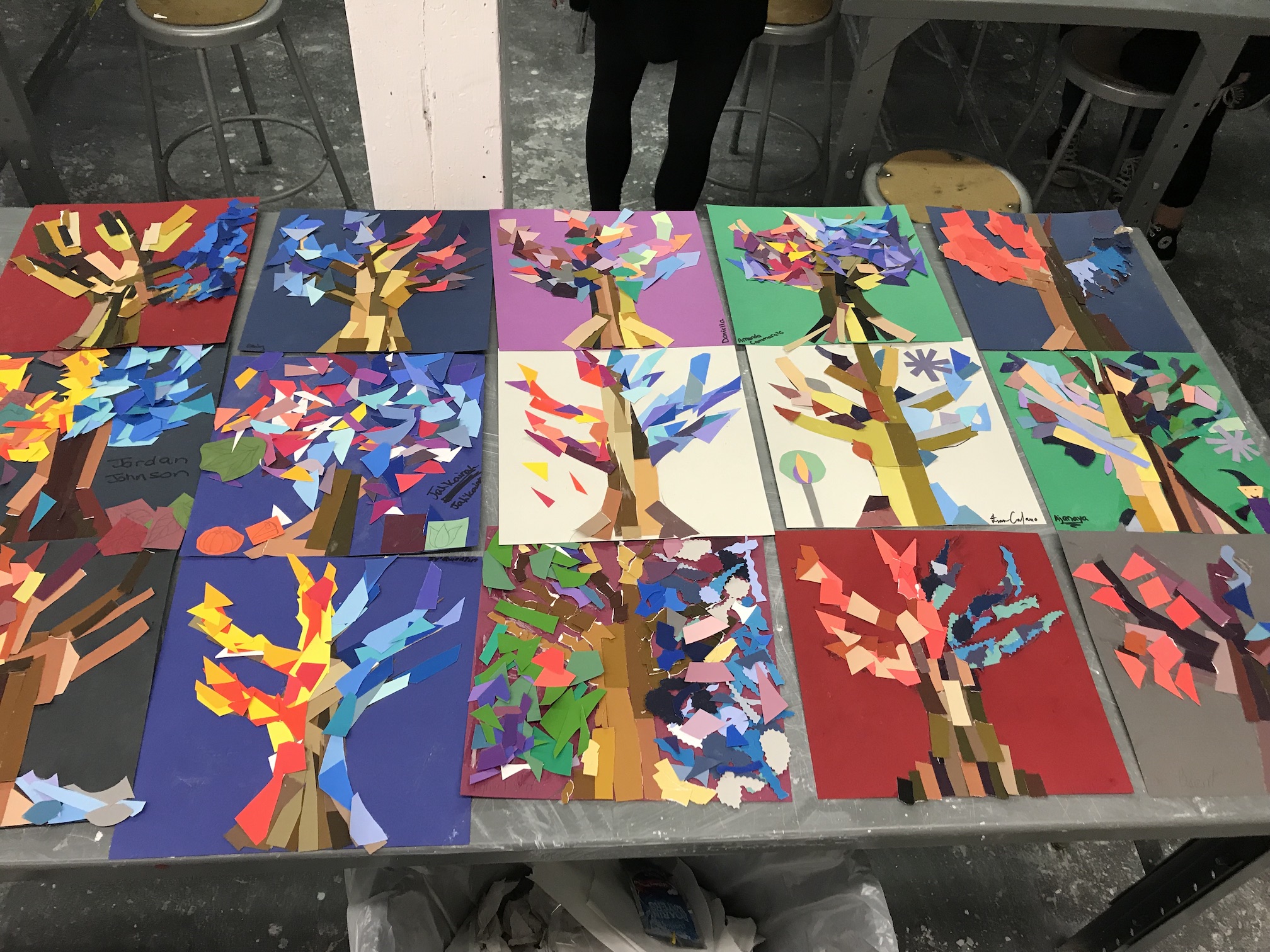
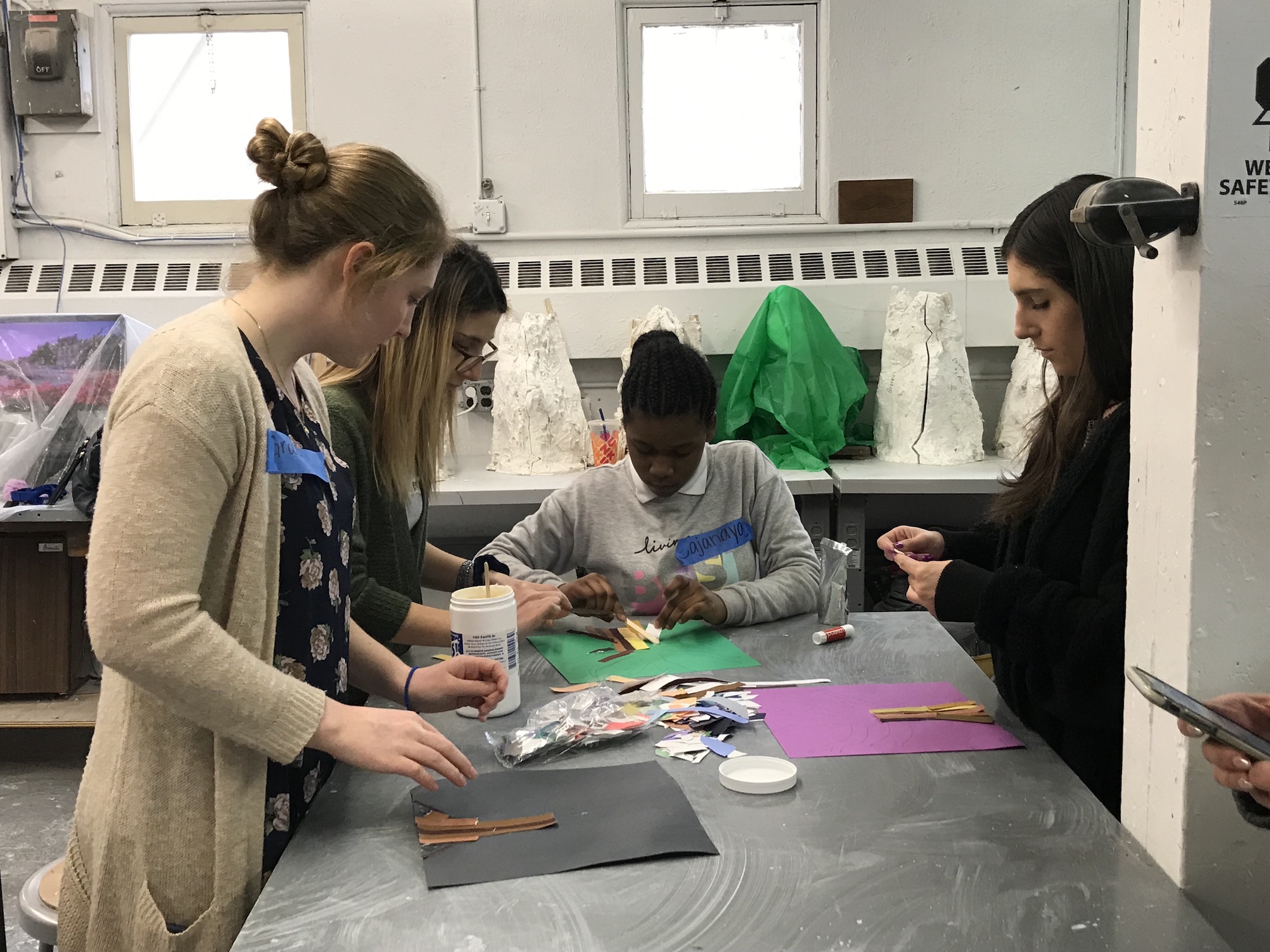
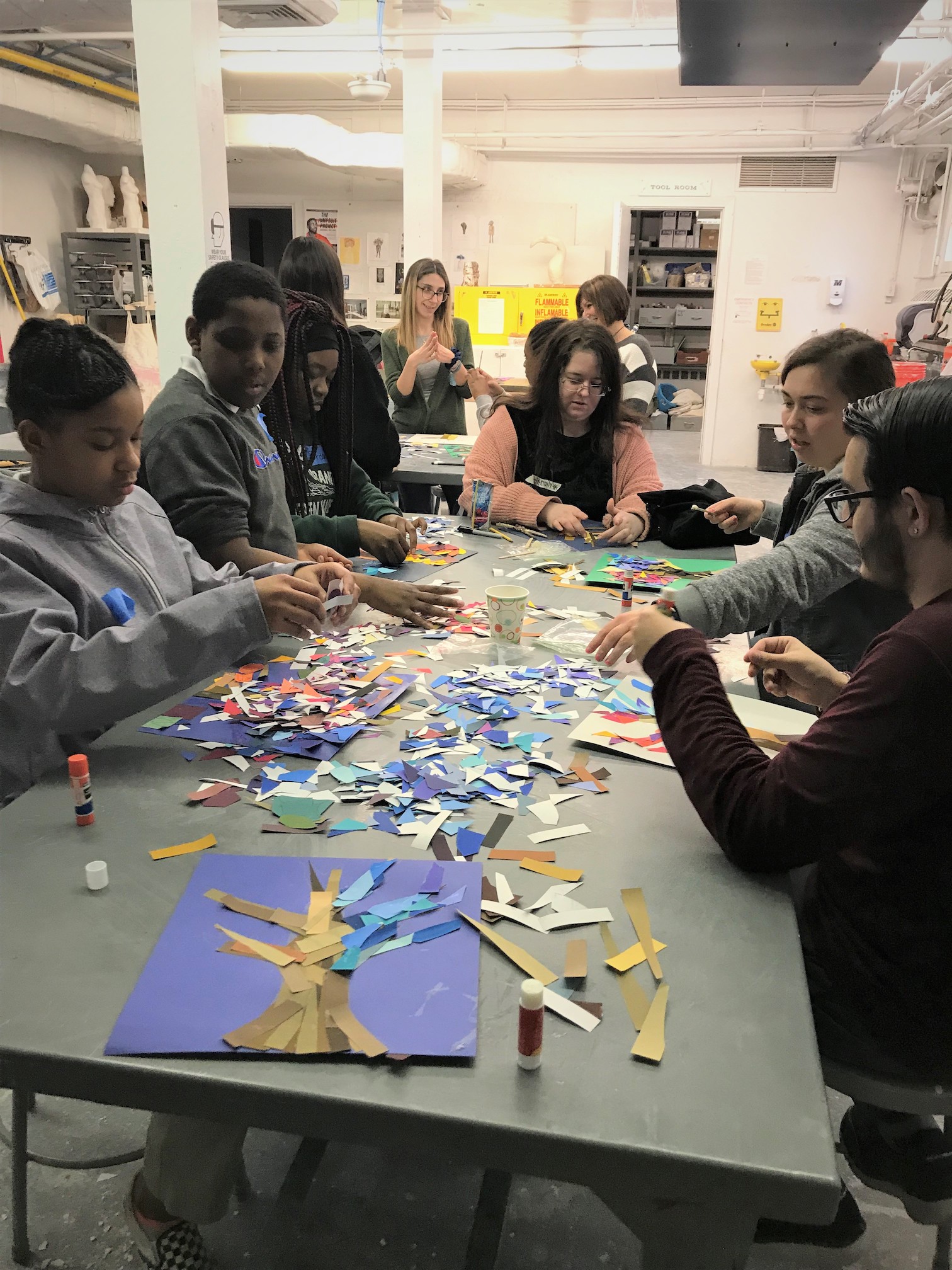
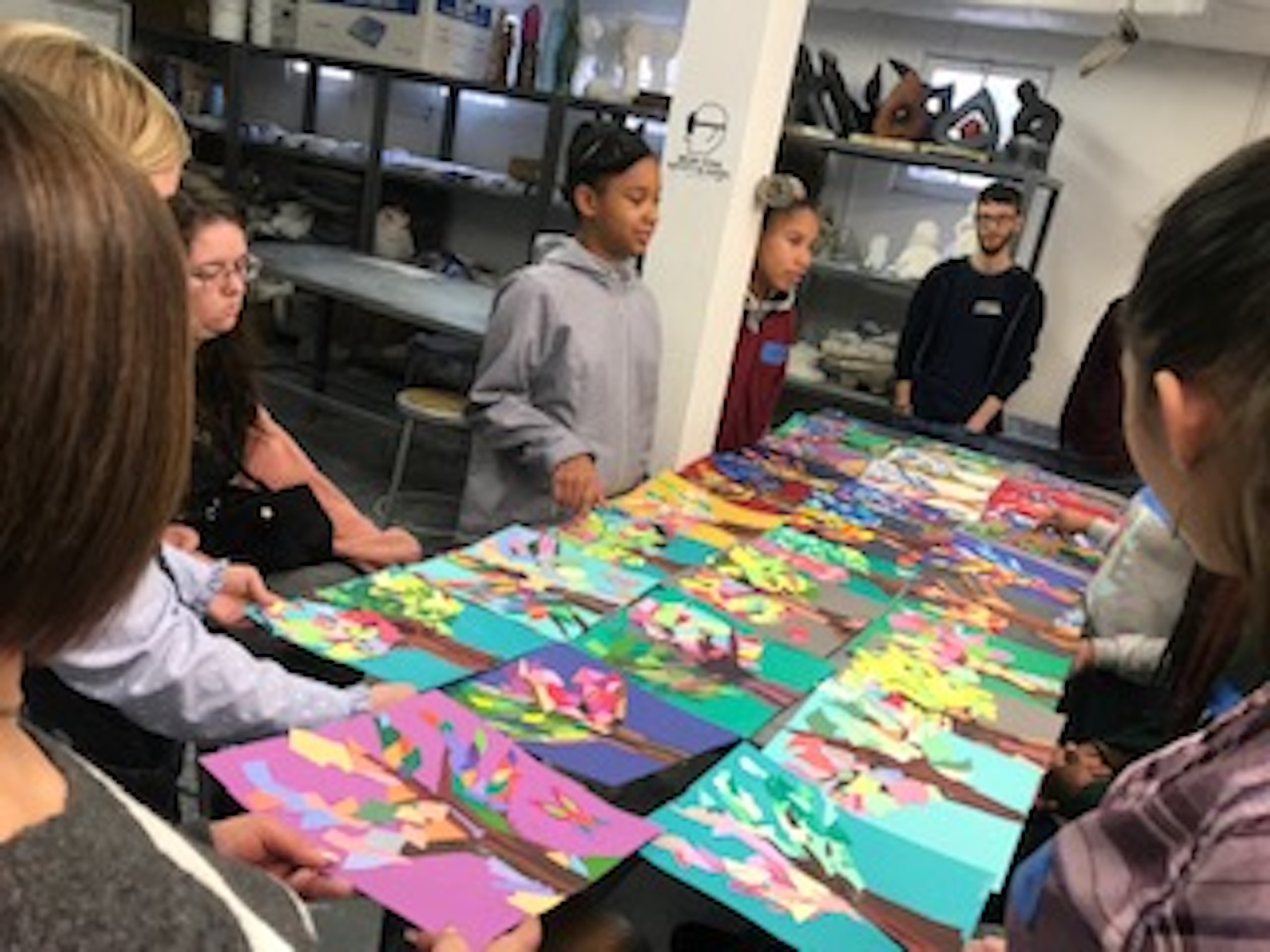
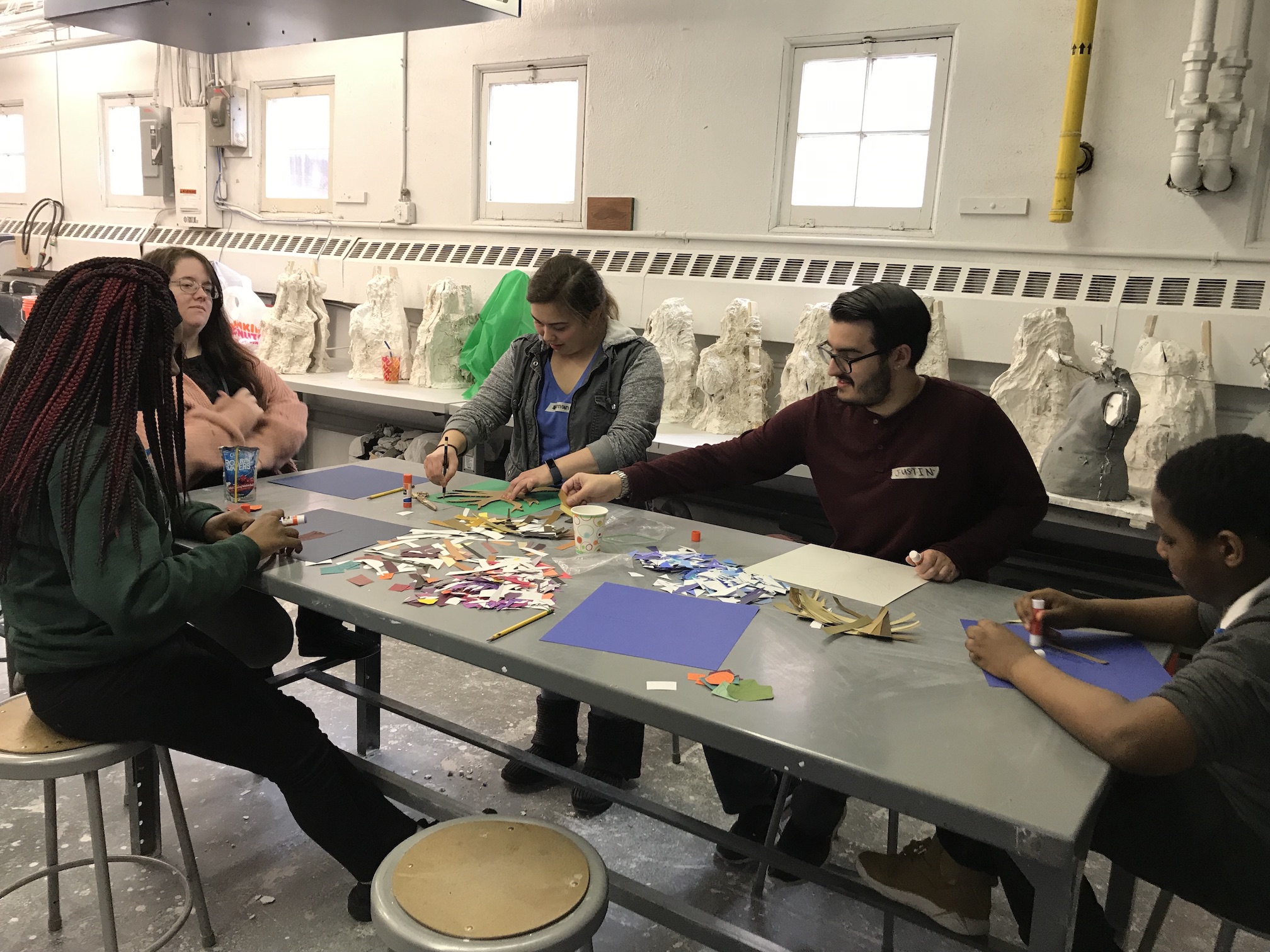
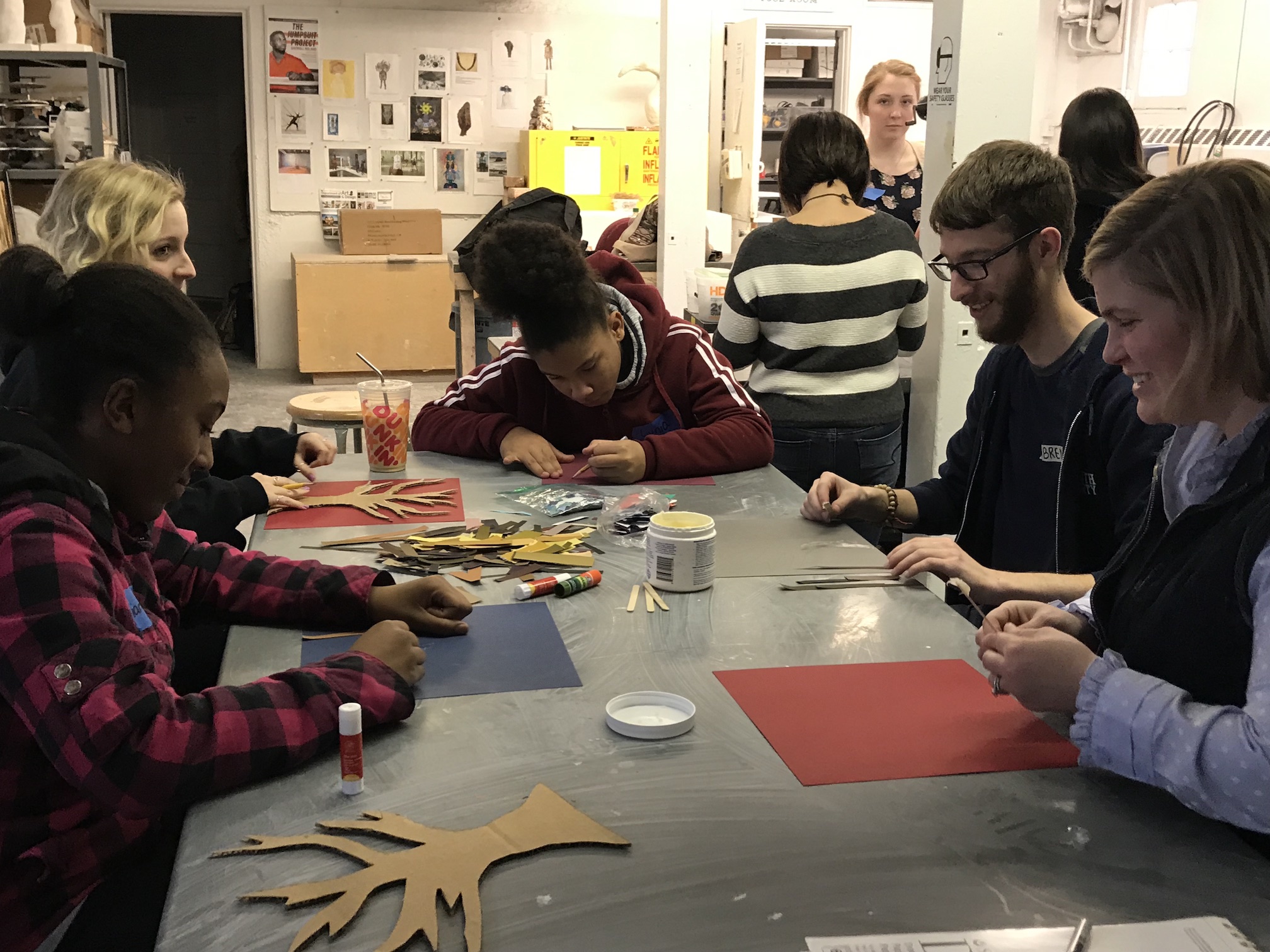
Our art project was a collage using color aid paper. The students made one tree that showed both spring and summer, then another collage of a tree that showed fall and winter. They were then able to use different colors from each of the seasons for their tree collages.

For a full gallery of images and artwork from the entire 2019 D-Eco-Self Trees, click here. 

Discovering the Ecological Self Goes to Nebraska

When we think of nature, what comes to mind? Trees that provide oxygen, oceans that quite literally move mountains, storms that can destroy skyscrapers… all elements that are both essential and highly influential to our well-being as a species. But when we think of relating ourselves to nature, we are often immediately drawn to our impact on it. Pollution from our activities floods the oceans and the very air we breathe; animals all over the globe are going extinct as we threaten their homes with our development… suddenly the power has shifted and we realize that there is a delicate balance to uphold.

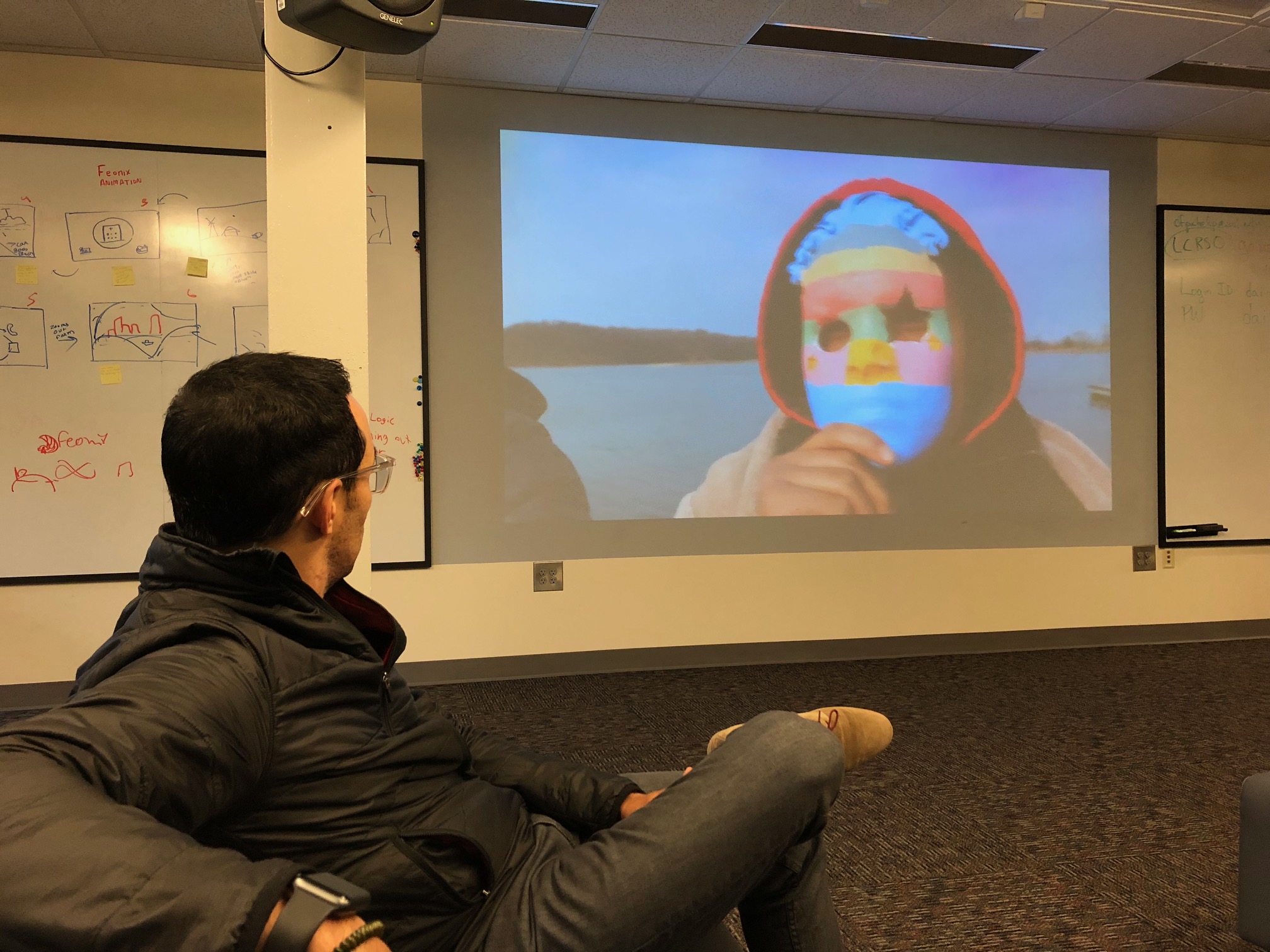
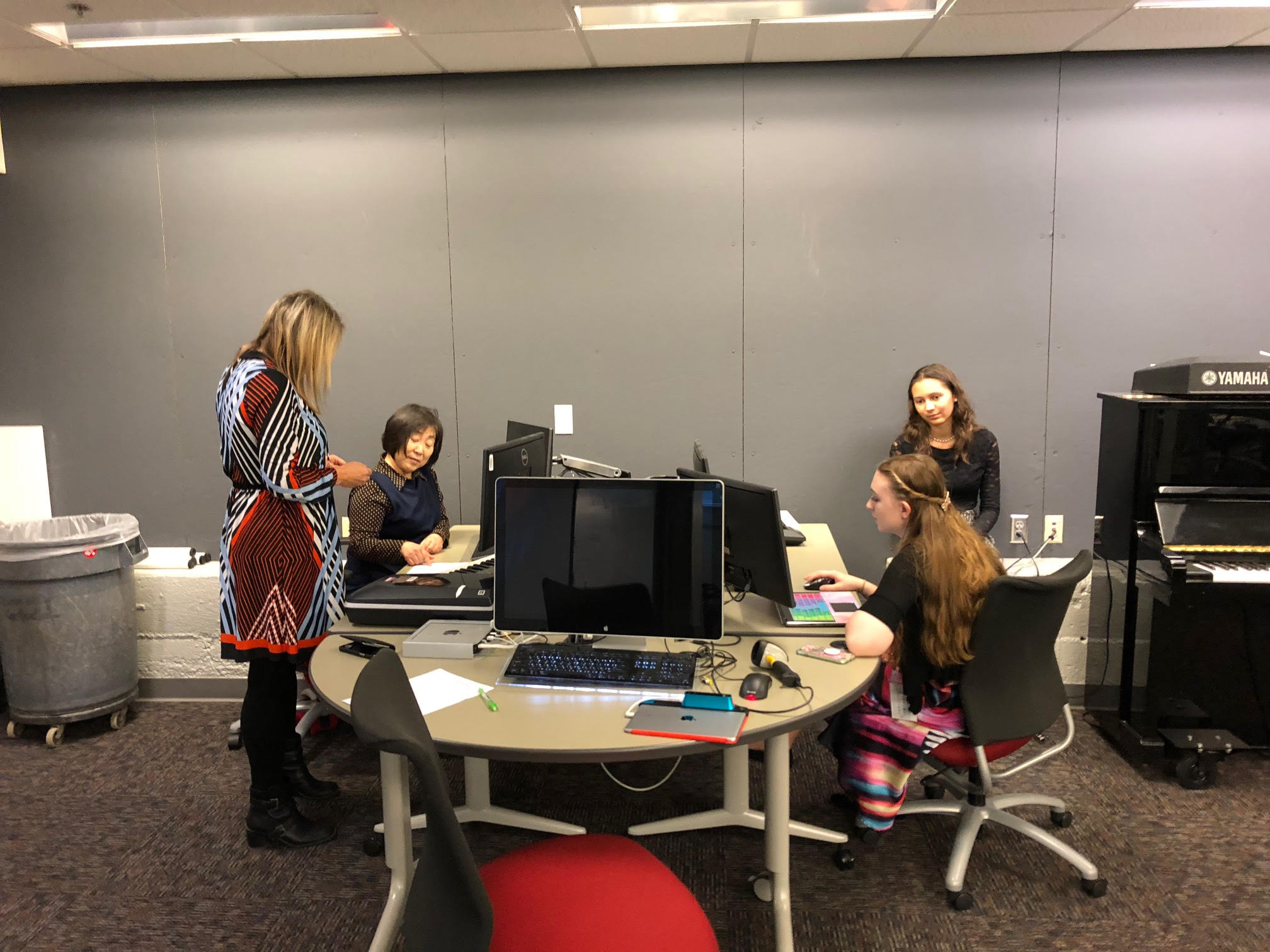
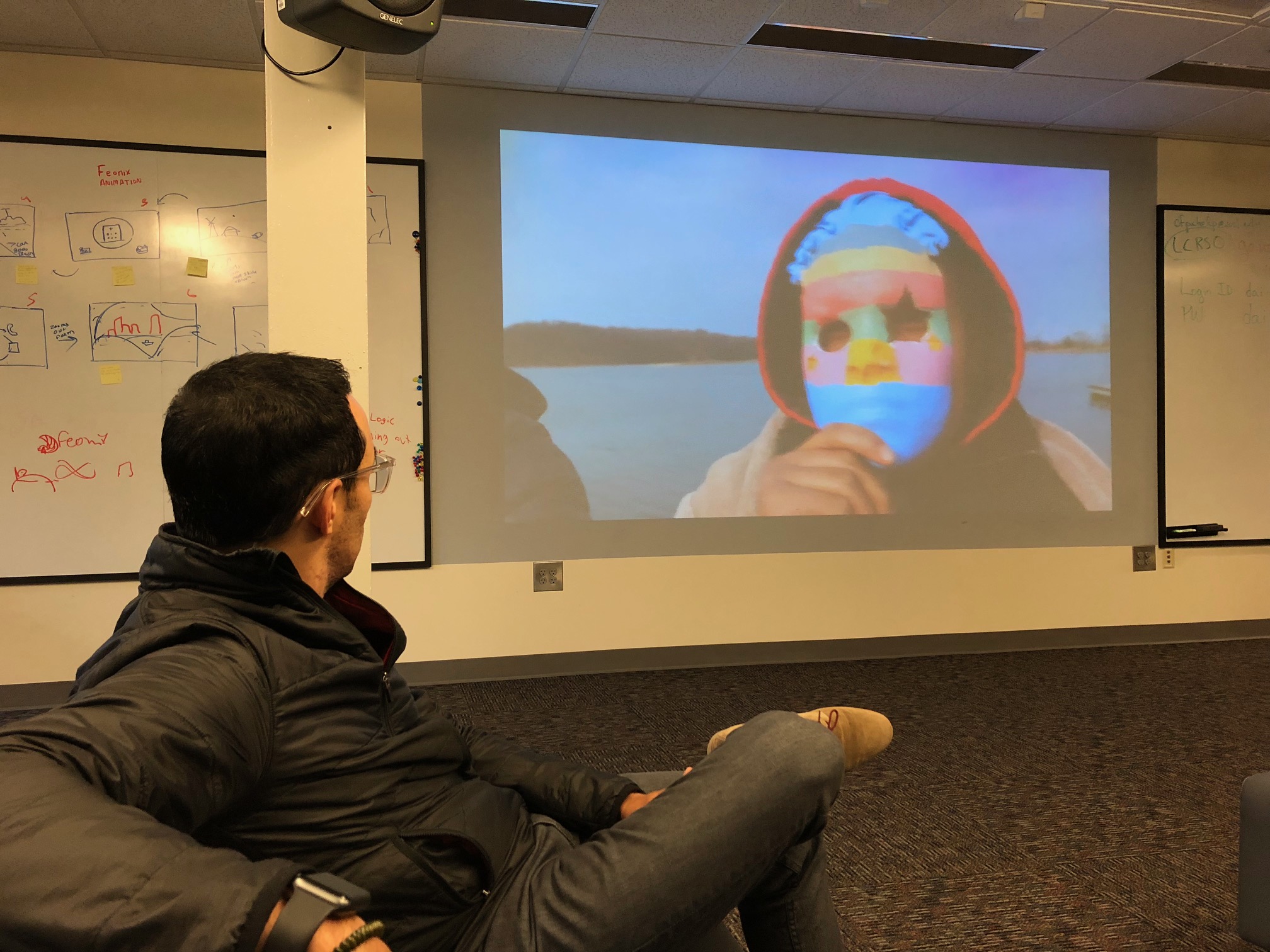
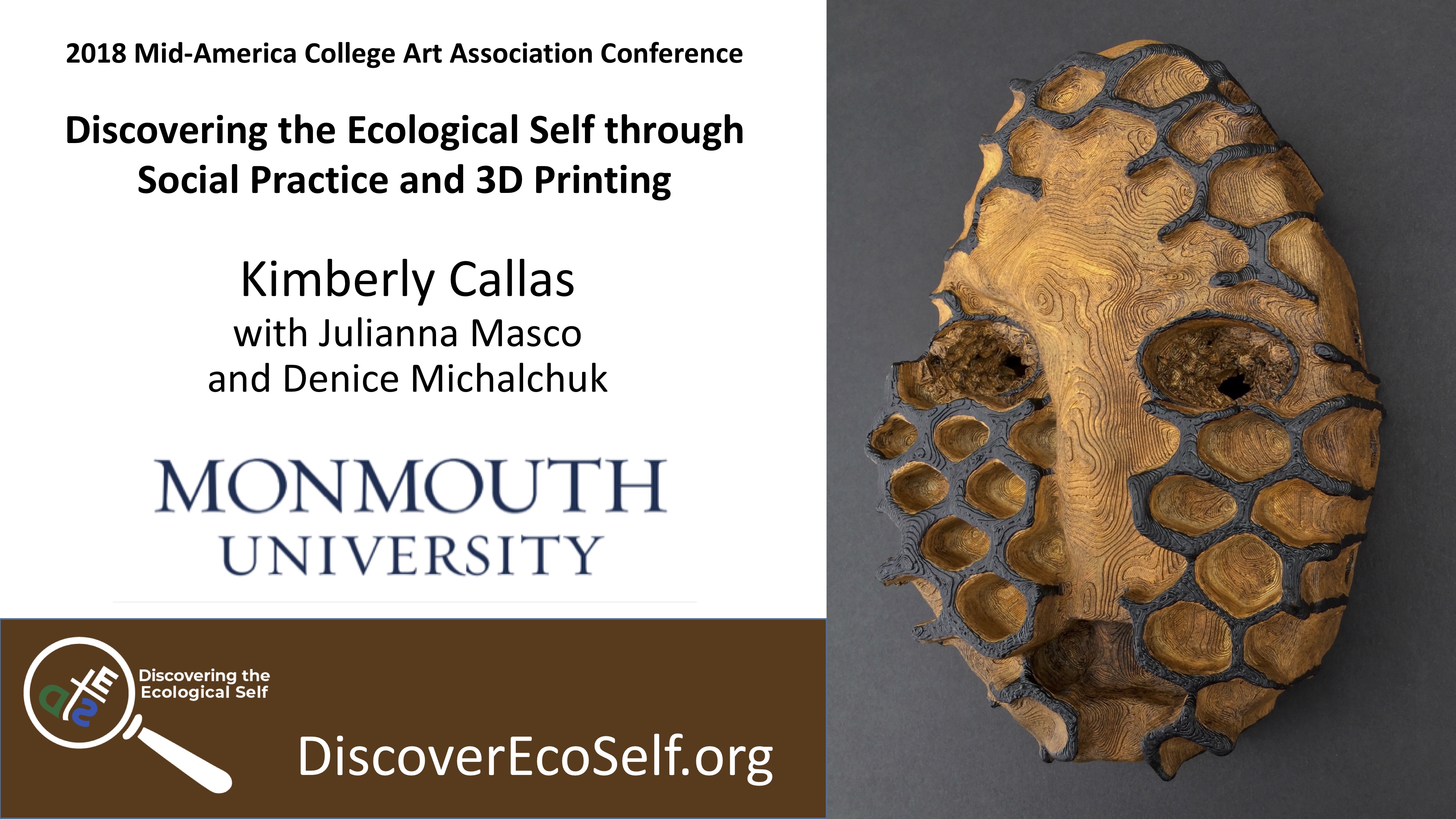
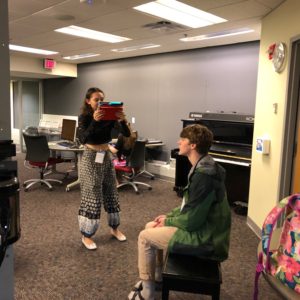
Discovering the Ecological Self makes emotional connections to environmental issues. Somewhere within this balance of beauty and human impact, we are helping people to find their place in the ecological world, their impact on it, and everything in between, whilst using the medium of art to portray this ecological persona. We work with various audiences from middle school students to professional artists, from day-long activities to one-time projects. This past weekend, three of our project helms – Professor Kimberly Callas, Denice Michalchuk, and Julianna Masco – flew out to the Mid American College Art Association’s conference Techne Expanding: Tensions, Terrains and Tools at the University of Nebraska in Lincoln. At this event, we presented a morning workshop, Discovering the Ecological Self Through 3D Printing. Our participants were invited to draw inspiration from their youth, mystical experiences, dreams, and symbols from nature that reoccur in their lives. We asked them to find patterns and images from their nature topics to use in their mask. To get their ideas flowing, we asked them to fill out a survey about symbols in nature that may be occurring in their lives. We also led them through guided meditation to deepen their ideas or allow new ideas to emerge. This provided topics to work with, and our new collaborators took to it enthusiastically.

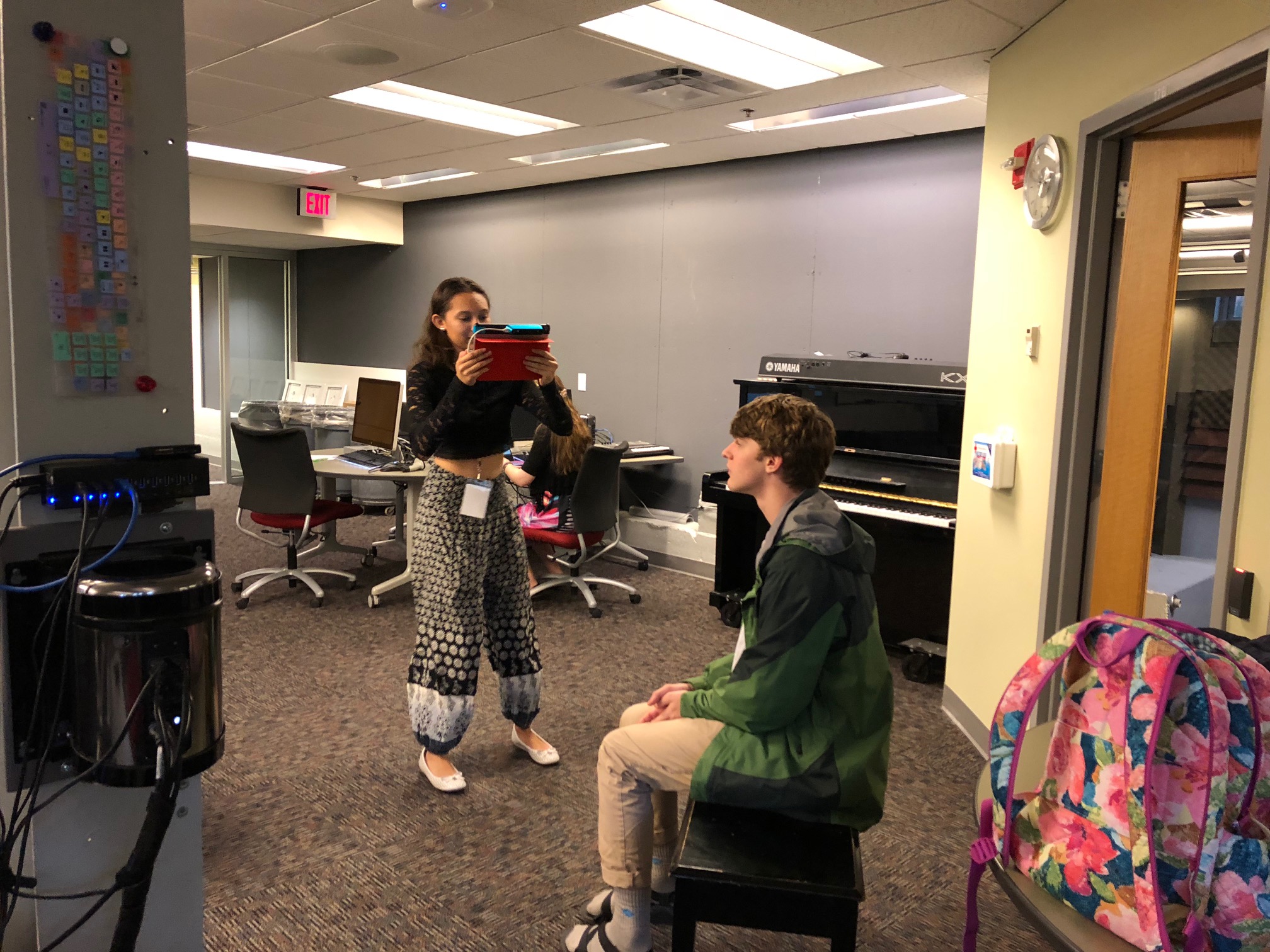
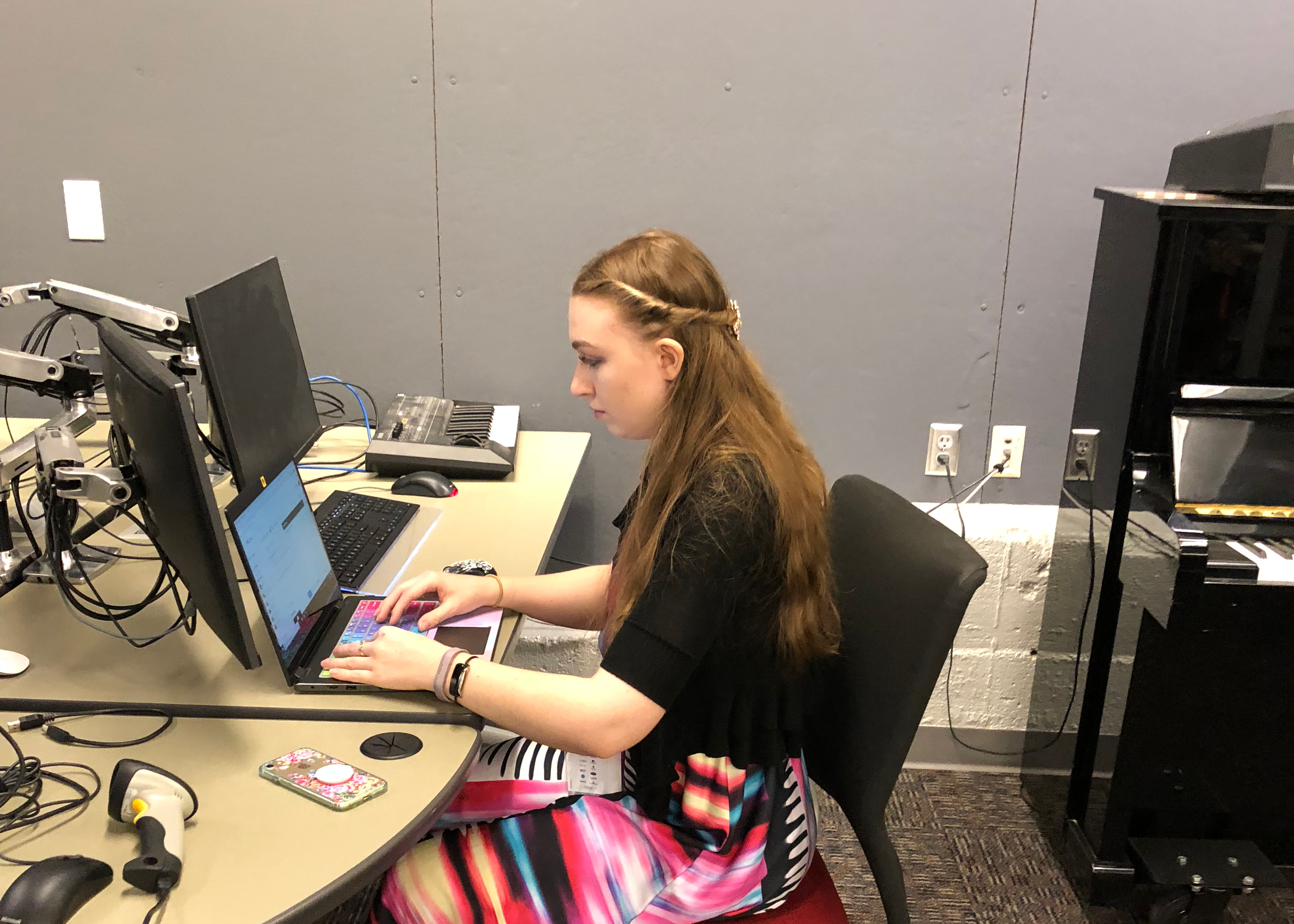
After our general presentation of the project, we took the participants through a condensed version of a process to create their own 3D printed eco masks. First, we scanned their faces to create a 3D digital file so that their mask was personalized for their face. Using the 3D scans, we showed the participants how to use Meshmixer, a software for designing three-dimensional object files that can be printed. In Meshmixer, participants learned how to import their files, sculpt, and edit their masks. By the end of the workshop, everyone had a file that was ready to be printed for them to take home. We put the files in the 3D printers and the next morning delivered their eco-masks.

It was delightful to see how interested our participants were in the project. We received multiple questions on how the scanner worked and on the capabilities of Meshmixer. Many participants were inspired to use Meshmixer again for other projects or even to continue developing the masks we created during the workshop. Since technology was the theme of the conference, our workshop definitely showed the possibilities that come with new technology to create new and exciting works of art. Although technology is becoming increasingly present in our daily lives, our workshop connects it to nature so that we can discover the relationship between nature and ourselves.

Thank you to the Dean of the Wayne D. Murray School of Humanities and Social Sciences for the student travel grant and to the Urban Coast Institute for the student travel grant, enabling us to visit this conference and share our love for the planet.

Facebook
Instagram